Go Guanacaste journal
Planning activities for mixed ages and energy levels
The best family day is not the one with the longest activity list. It is the one where children, adults and grandparents finish with a story they all enjoyed.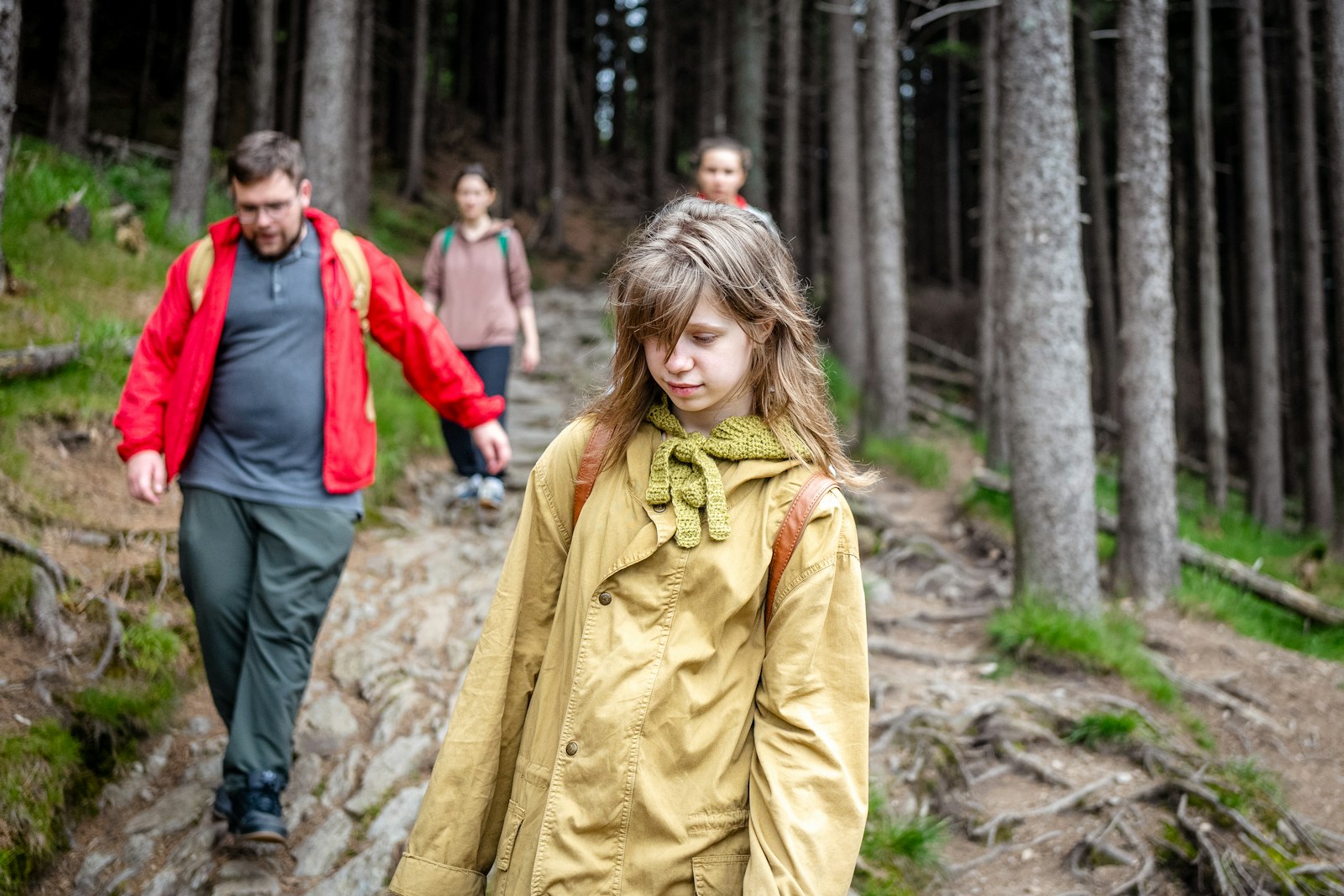
Plan for the least flexible traveler
Start with minimum age, height, mobility, swimming confidence, heat tolerance and attention span. Operator rules are only the first filter; a child may technically qualify for a zip line or boat yet still need a shorter route, shade or a familiar adult nearby.
Ask what participation actually looks like: waiting time, stairs, harness periods, boat entry, restrooms and the ability to opt out. These details determine comfort more than a dramatic marketing photo.
- Share every child's exact age and approximate height.
- Mention mobility, sensory or dietary needs before confirming.
- Ask where a non-participant can wait comfortably.
- Never pressure a nervous traveler to protect a prepaid schedule.
Balance energy, heat and water
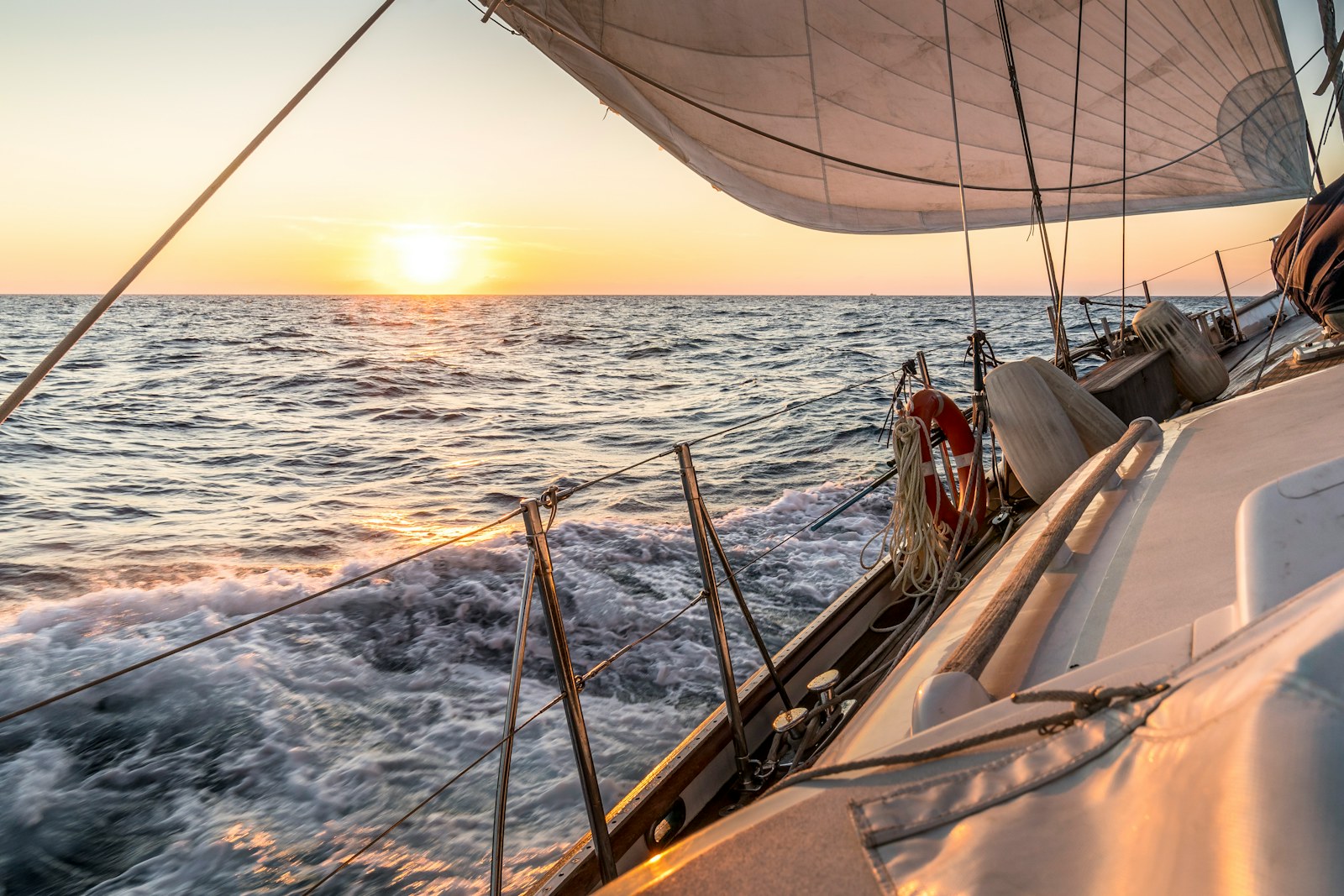
Guanacaste heat can turn a moderate activity into a demanding one. Early starts, shade, water and a real meal break matter. On boats, consider sun exposure and motion sensitivity; on trails, consider footing and the return climb, not only the viewpoint.
A useful family rhythm alternates active and passive moments: ride, snack, swim, rest, watch. That rhythm keeps younger travelers engaged and gives adults time to help without feeling rushed.
- Choose the coolest practical time for active days.
- Carry more drinking water than the group expects to use.
- Use reef-conscious sun protection and secure hats where appropriate.
- Pack a dry change of clothes for children.
Choose one hero experience per day
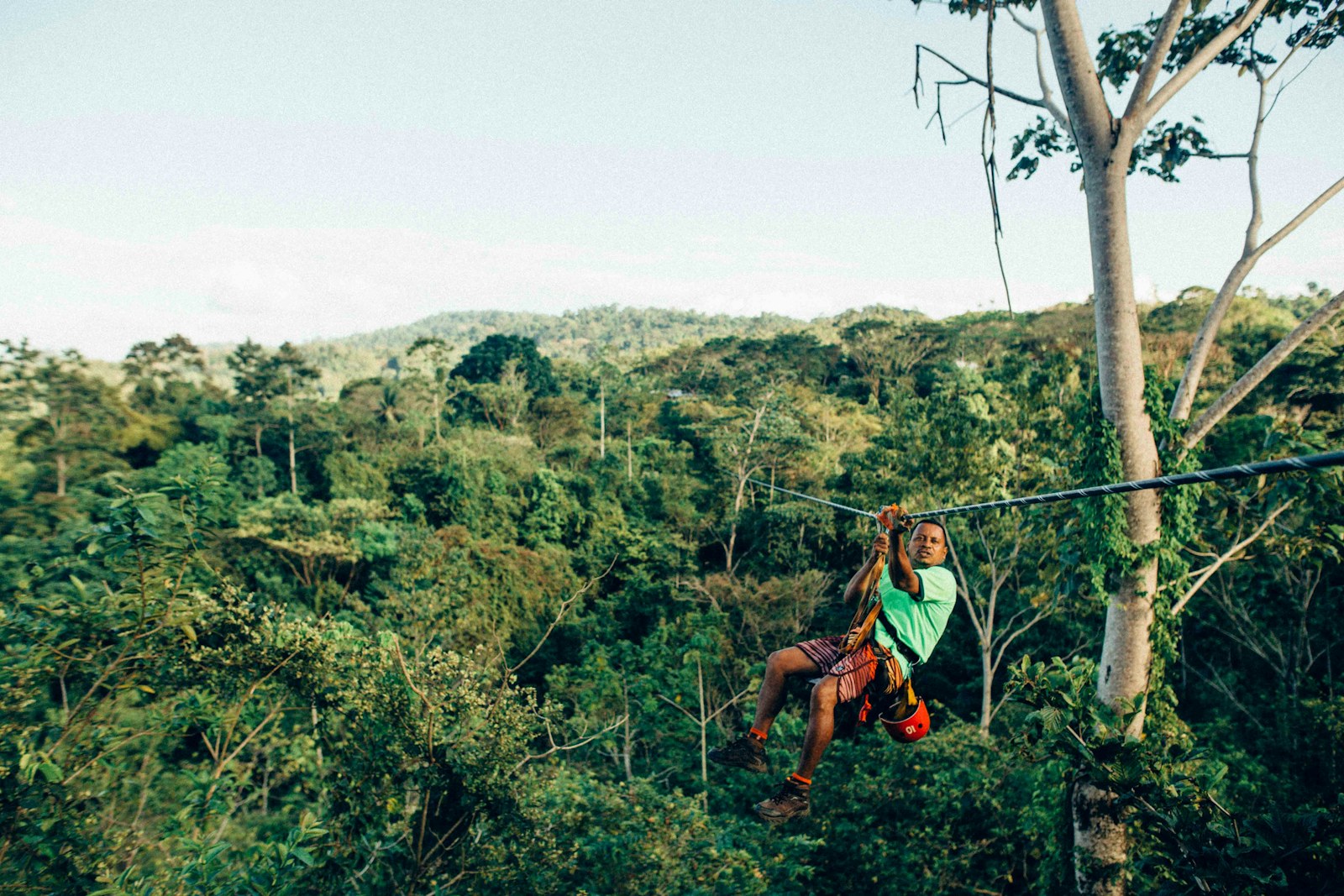
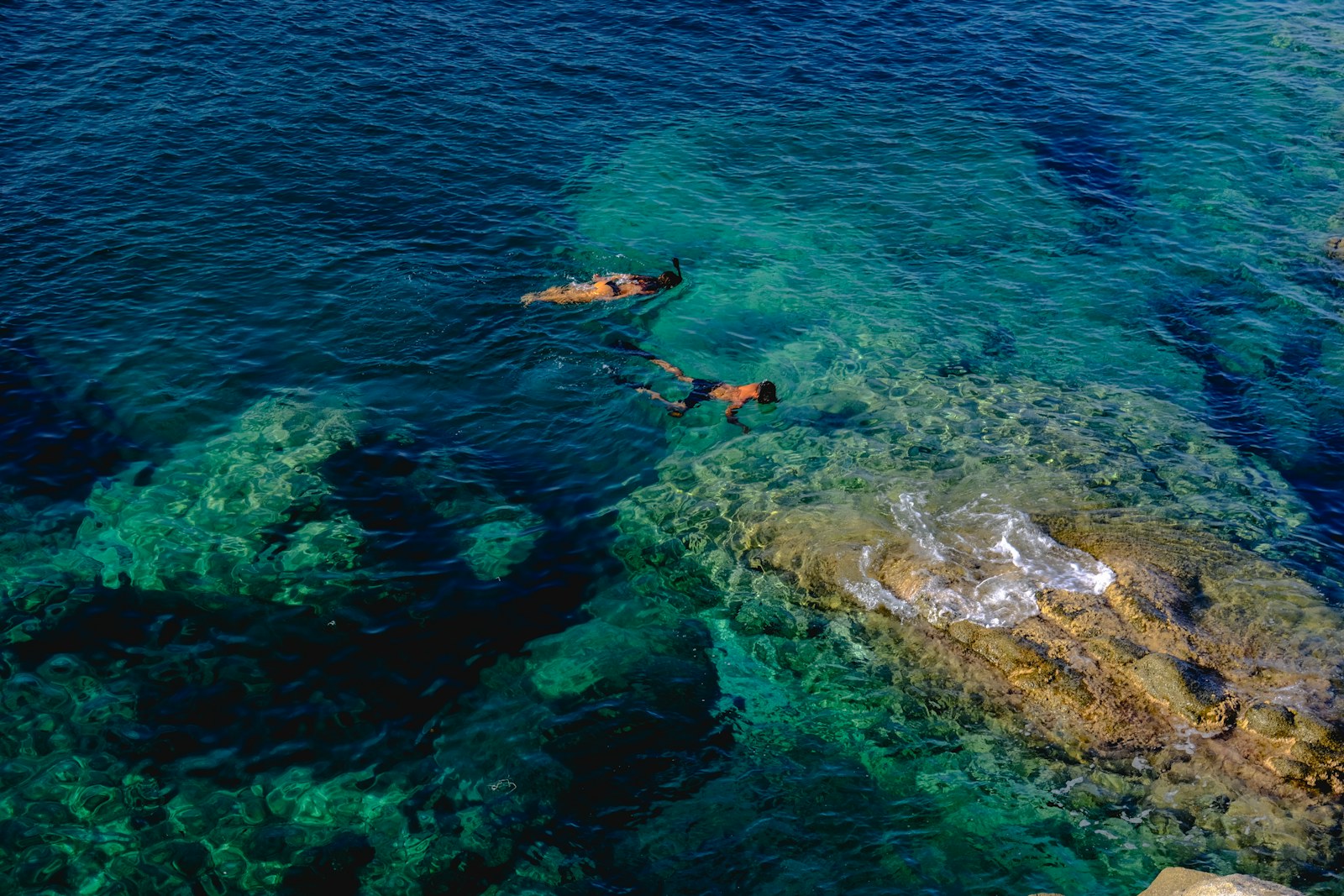
A family can remember the jet ski ride, the turtle seen while snorkeling or the first zip line without needing three major bookings in one day. Pick one hero experience and let meals, beach time, wildlife stops or a sunset support it.
For mixed ages, parallel options can be smarter than forcing everyone into the same activity. One part of the group may fish while another takes a short boat or beach plan, then everyone meets for the afternoon.
- One demanding booking per day is usually enough.
- Pair high energy with a calm second half.
- Use private or small-group formats when pacing is the priority.
- Schedule family photos before everyone is tired.
Prepare children without overselling
Explain what they will wear, how long the transfer takes, what sounds they may hear and what happens if they want to stop. Confidence grows from predictability, not from promising that nothing will feel scary.
After the day, preserve recovery time. Wet gear, late meals and tired children can make the next morning harder. A well-planned family itinerary treats sleep and unstructured play as part of the experience.
- Show a realistic photo of the equipment or boat.
- Bring familiar snacks if allowed.
- Agree on a simple signal for a pause.
- Leave the following morning lighter after a long day.
Family planning brief
- Ages, heights and swimming confidence.
- Mobility, sensory and food considerations.
- Maximum comfortable transfer time.
- One must-do for each traveler.
- A weather alternative and a no-pressure opt-out.
A successful family adventure feels ambitious before the day and surprisingly manageable while it is happening.Plan my trip →