Go Guanacaste journal
Dry season, green season and what actually changes
Season changes the color, heat, water and rhythm of Guanacaste—not whether a meaningful trip is possible.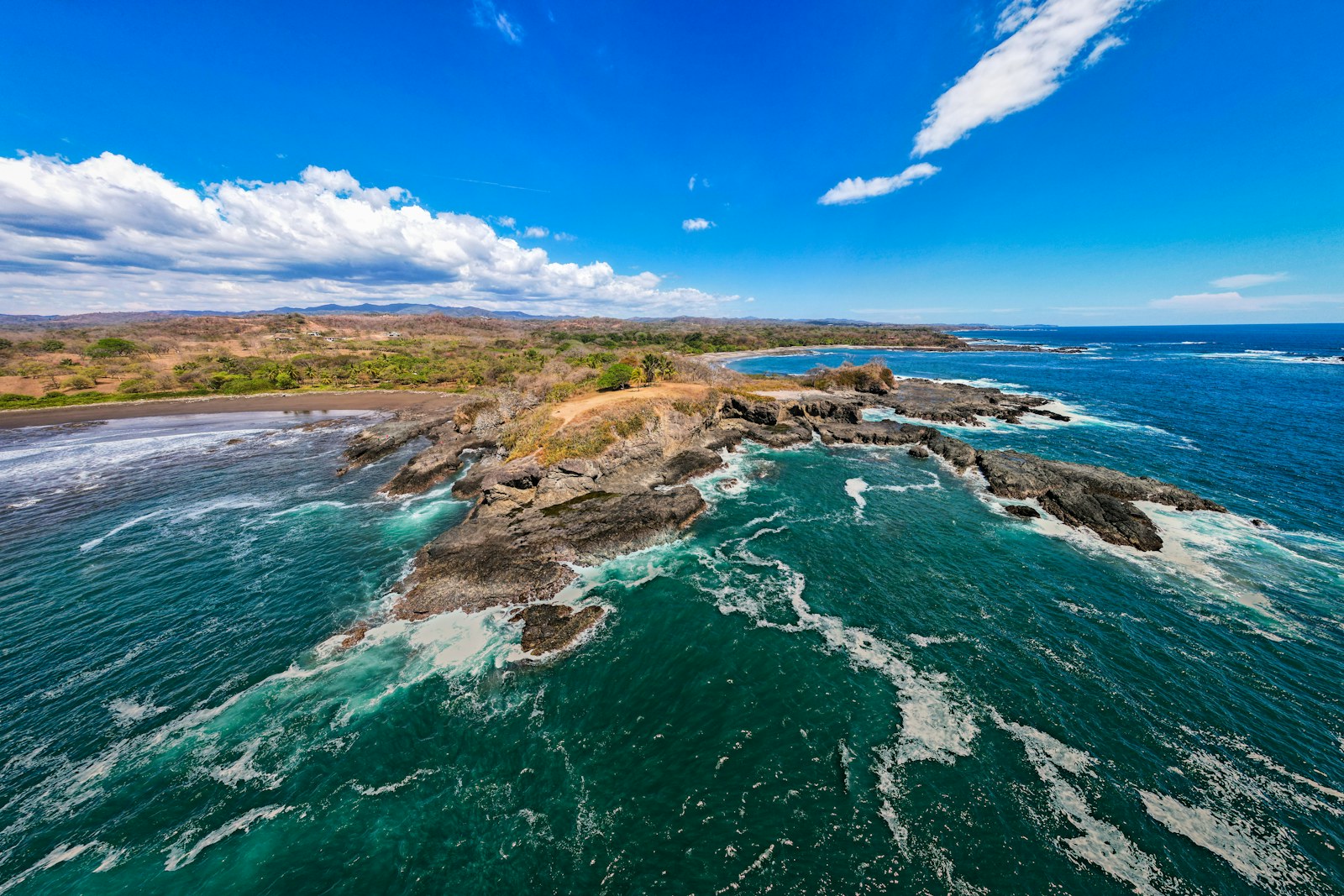
Two useful patterns, not two fixed promises
The dry season is generally associated with sunnier days, browner dry-forest landscapes and easier predictability on many roads. The green season usually brings richer vegetation, fuller waterways and a greater chance of afternoon rain. These are patterns, not guarantees; microclimates and year-to-year variation matter.
Plan around the experience rather than chasing a perfect forecast. A morning ocean departure, an early inland hike and a flexible afternoon can work in more than one season.
- Dry landscapes are part of Guanacaste's natural identity, not a sign that the destination is lifeless.
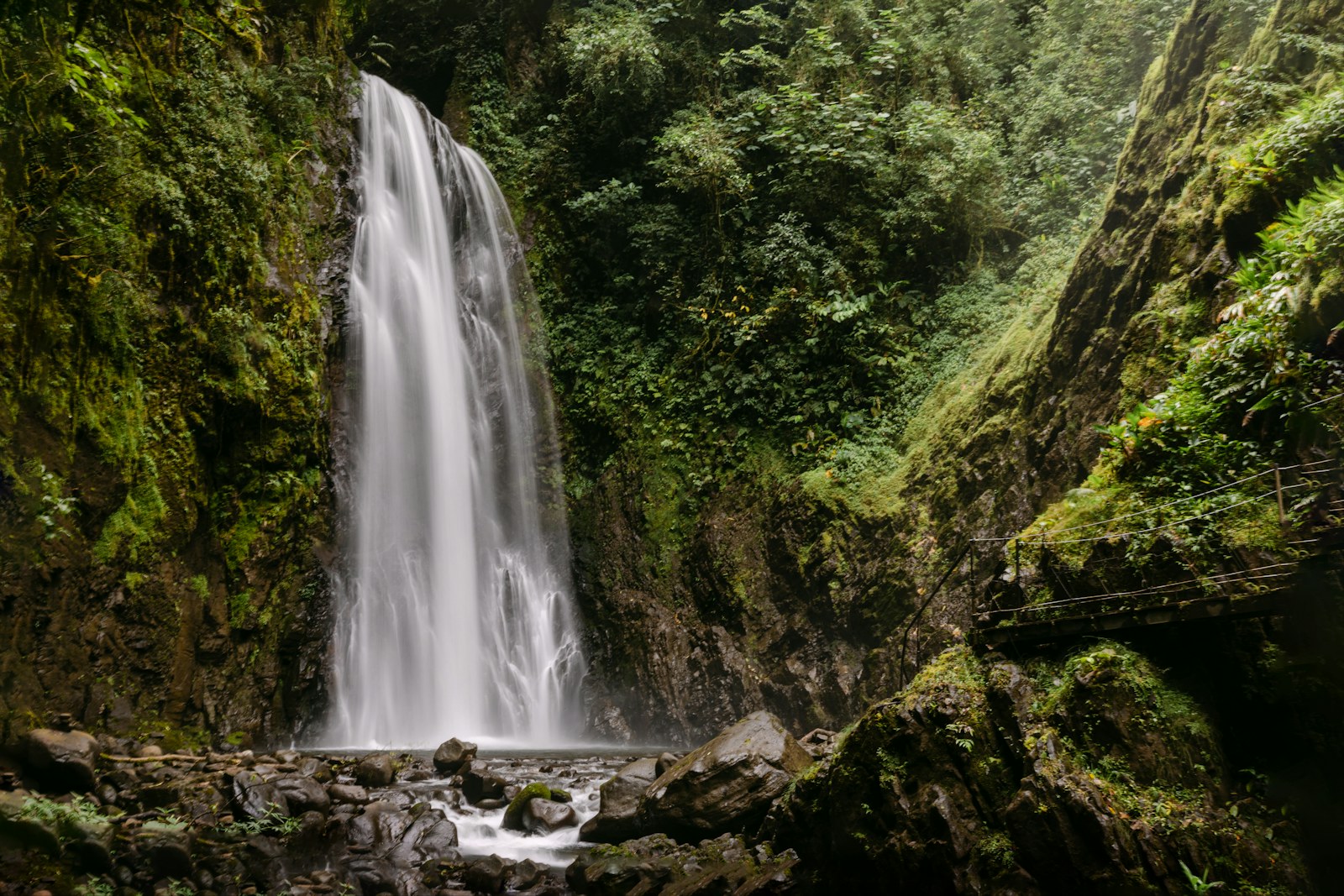
- Green months can deliver dramatic light, active waterfalls and quieter scenery.
- Weather apps are less useful than date-specific local operating information.
What changes for ocean, trails and waterfalls
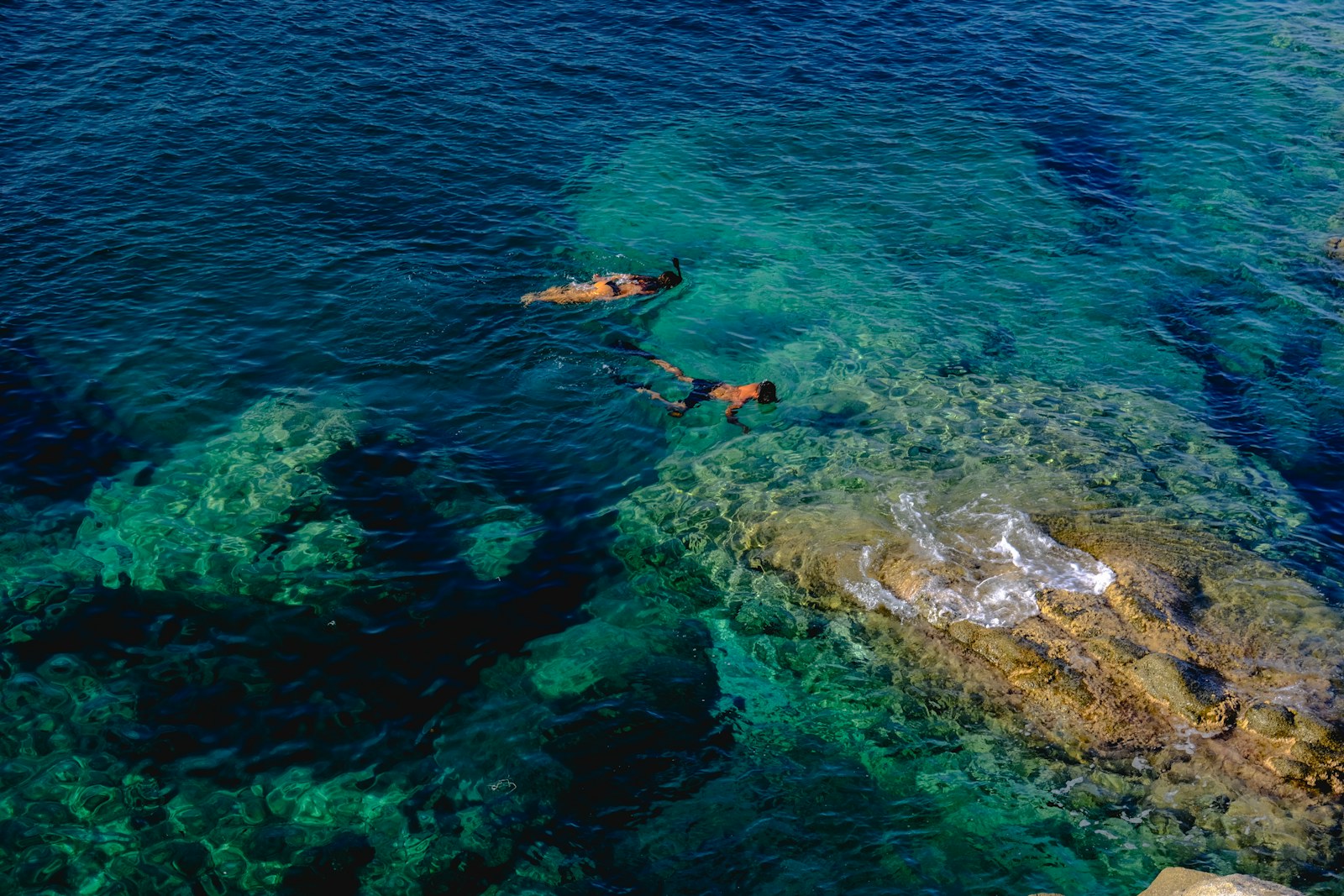
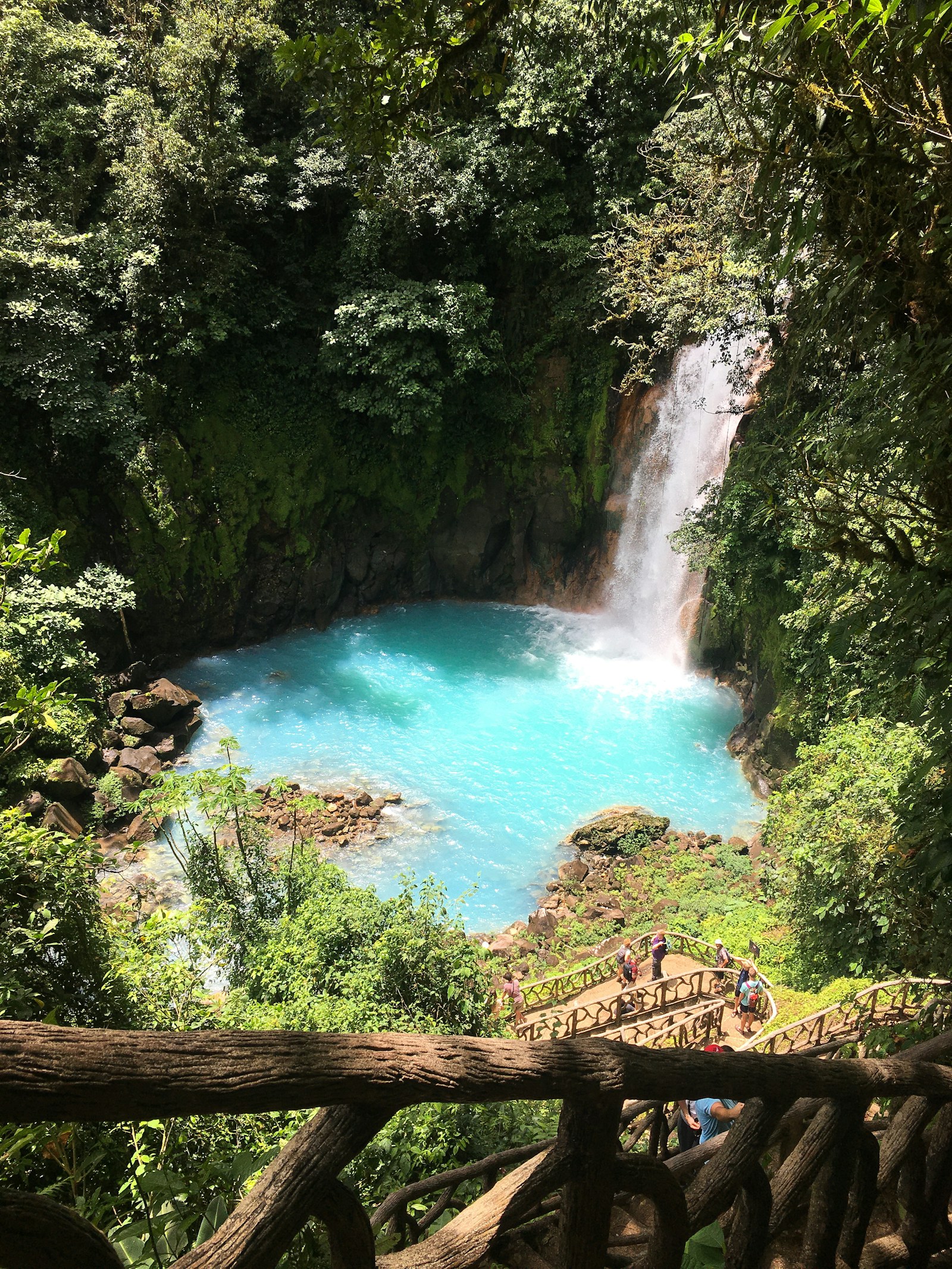
Wind, swell and visibility affect ocean activities differently; rain alone does not determine whether a departure operates. Trail surfaces, river levels and road access matter more inland. Waterfalls may be stronger in greener periods, but high water can also change swimming or access decisions.
A responsible recommendation separates what looks beautiful from what is currently appropriate. Never assume that a photo, last year's timetable or a generic season chart confirms today's conditions.
- Ask whether the departure point can change with conditions.
- Confirm footwear and trail surface for inland days.
- Treat water access as a current safety decision, not an automatic inclusion.
Build weather resilience into the itinerary
Place the most weather-sensitive priority early in the stay, not on the final available day. Keep a compatible alternative—such as a shorter coastal experience, a cultural stop or a transfer-adjusted inland option—in the plan.
Avoid filling every hour. A buffer is not wasted vacation; it protects the activities that matter and makes room for a sunset, a meal or a town that was never on the checklist.
- Book the top priority early in the trip.
- Keep one movable half-day.
- Carry sun and rain protection in every season.
- Reconfirm pickup and access the day before when conditions are changing.
Pack for heat, water and transitions
Light layers, sun protection, secure footwear, refillable water and a dry bag are useful across seasons. For inland elevations, a light layer can be welcome after a hot coast. Protect electronics and medication from both spray and sudden rain.
The most comfortable traveler is not the one who packed for a label such as ‘dry’ or ‘green,’ but the one prepared to move between coast, forest, vehicle and water in the same day.
Season-smart questions
- What is the current departure and road access?
- Is the activity best in the morning?
- Can the route change safely if weather shifts?
- What footwear and water protection are needed?
- Which half-day can move without losing the trip's priority?
Choose the season for the landscape and rhythm you prefer, then build enough flexibility for Guanacaste to be itself.Plan my trip →