Go Guanacaste journal
Coast or inland? How your base shapes the trip
The hotel is not just where you sleep. In Guanacaste it determines which coast, marina, forest and volcano days feel effortless—and which ones begin before sunrise.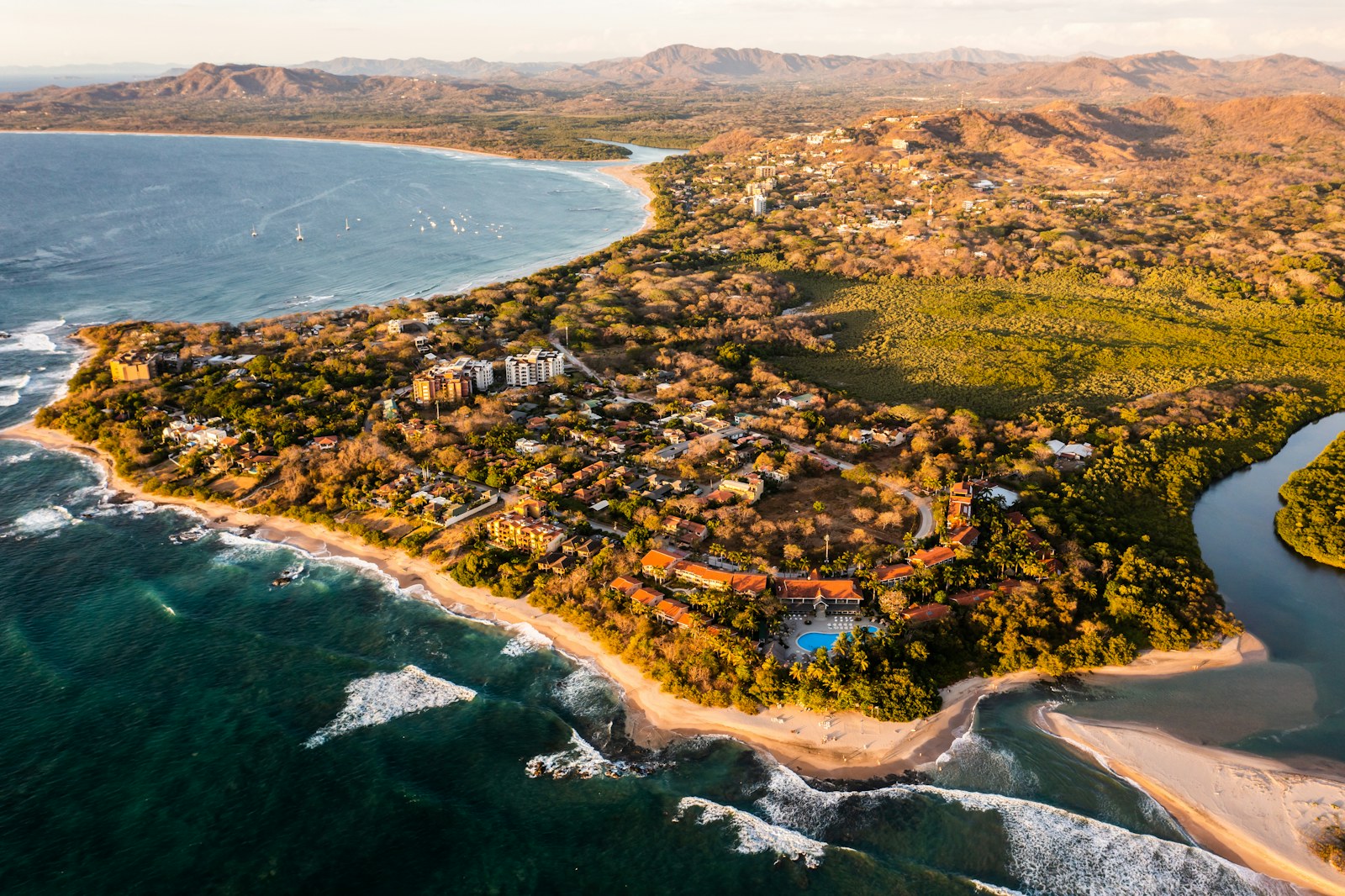
Think in experience clusters, not straight-line distance
Guanacaste is broad and wonderfully varied. A beach town, a marina and a volcanic trail may look close on a map, yet road type, traffic, river crossings and hotel access can change the real journey. Start with the two or three experiences you care about most, then choose a base that keeps those days compact.
For ocean-heavy trips, the northern and central Pacific beach zones make jet ski, fishing, snorkeling and sunset departures easier to combine. Liberia and inland stays are more practical when volcanoes, waterfalls, wildlife and early airport connections lead the plan.
- Tamarindo and Flamingo: strong for ocean days, fishing and social beach time.
- Papagayo and Playas del Coco: useful for northern coast departures and Liberia access.
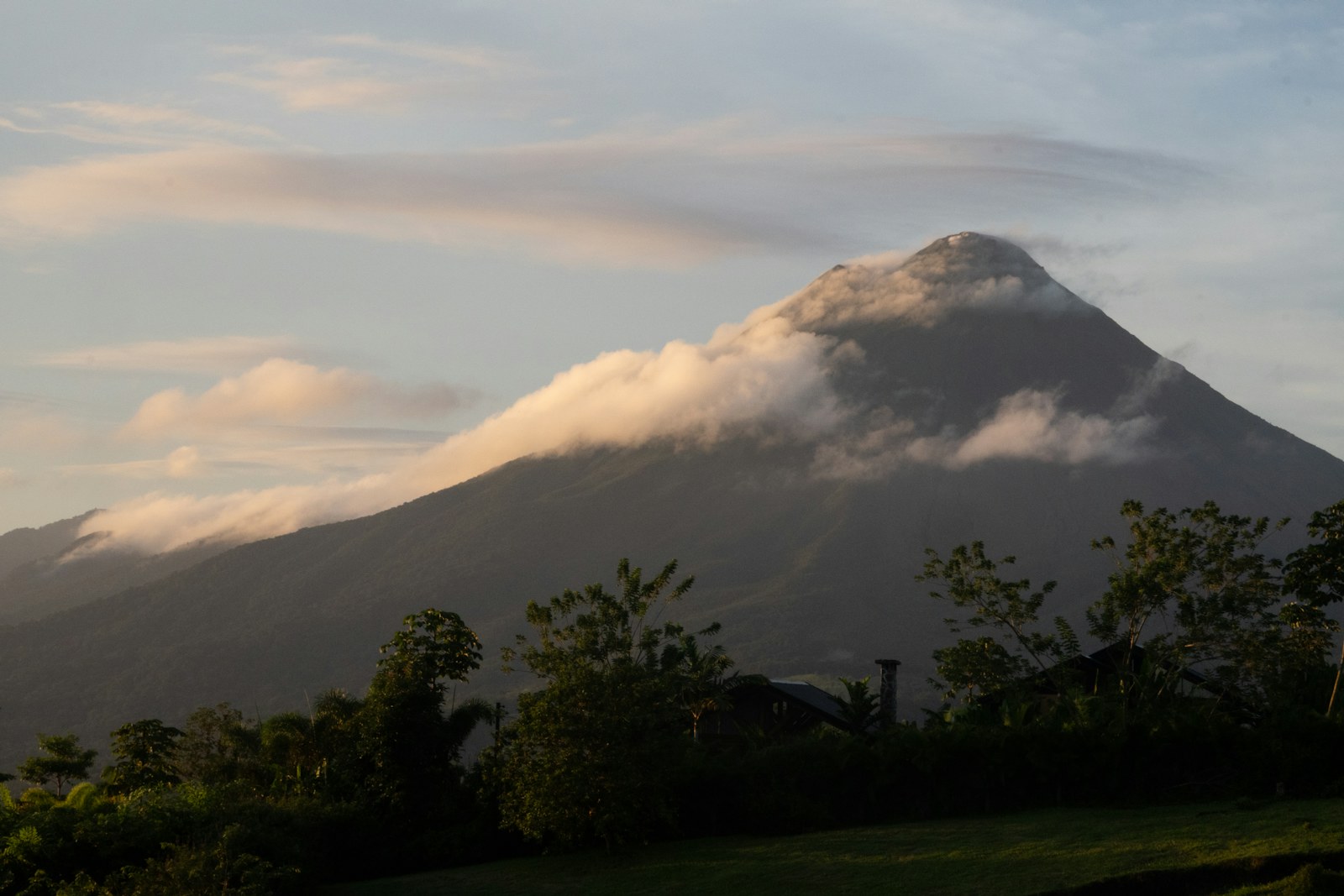
- Liberia or inland: efficient for Rincón de la Vieja, wildlife, waterfalls and transfers.
- Nosara and Sámara: a different, slower coastal rhythm; avoid treating them as a quick add-on.
A realistic day has three clocks
Every excursion has an activity clock, a transfer clock and a recovery clock. A four-hour tour can occupy most of the day once pickup, check-in, meals, showers and the return trip are included. Families and groups usually enjoy more when one demanding day is followed by a lighter coastal or pool day.
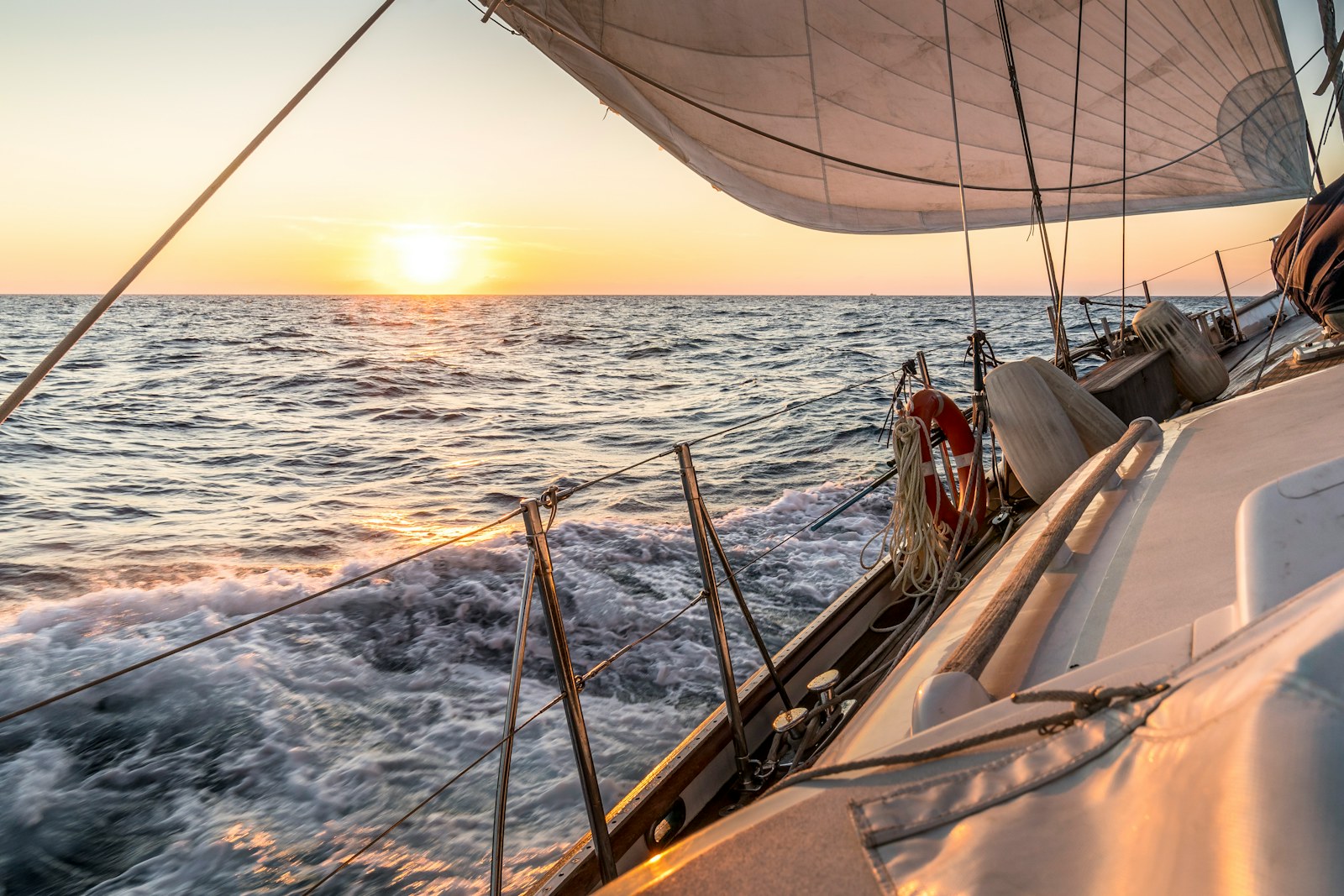
Morning sea conditions are often preferred for active water plans, while sunset sailing naturally owns the afternoon. Inland adventure days may start early to reduce heat and preserve flexibility. Exact departure times and road conditions should always be reconfirmed for the date.
- Count door-to-door time, not only the advertised tour duration.
- Protect a meal window and hydration break.
- Do not stack two non-refundable activities without transfer margin.
- Keep arrival and departure days simple.
One base, split stay or day transfer?
One base reduces packing and works well when the trip has a clear theme. A split stay is valuable when the wish list genuinely belongs to two regions—for example several Pacific days plus a volcano or rainforest chapter. A long day transfer makes sense only when changing hotels would cost more time than it saves.
The best answer depends on ages, luggage, driving comfort and how much downtime the group needs. There is no universal ‘best beach’; there is a best operational base for a particular itinerary.
- Choose one base for trips of a few nights or a concentrated activity list.
- Consider a split stay when each region deserves at least two meaningful days.
- Use a private transfer when timing, luggage or multiple stops require coordination.
A sample rhythm that leaves room for Costa Rica
After arrival, settle in instead of racing to an excursion. Use the next morning for the highest-priority ocean activity, reserve a separate day for an inland adventure, and place a flexible beach, town or sunset day between them. That sequence gives weather and energy somewhere to move without breaking the trip.
Share your hotel, dates and traveler profile before booking. A local planner can connect pickup zones, current access and operator requirements into one sequence instead of selling isolated tickets.
Before choosing your base
- Name your top three non-negotiable experiences.
- Confirm actual pickup zones, not only province names.
- Compare door-to-door travel time for the whole group.
- Leave one flexible half-day for weather or recovery.
- Ask whether a split stay truly removes a long travel day.
A smart base does not make the trip smaller. It makes more of Guanacaste feel present, because less of the holiday disappears through a windshield.Plan my trip →